
TELLURIC
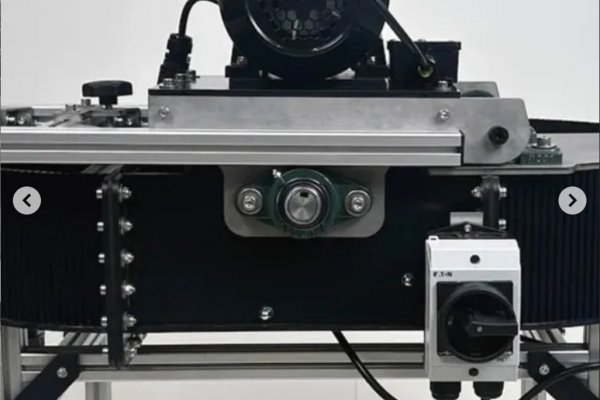
TELLURIC, from the Latin meaning “coming from the Earth,” is a collaborative project exploring material cycles, shared knowledge, and collective making. The project brings together Surzhana Radnaeva’s studio, Traditional Futures, a heritage-driven sustainable fashion and materials research practice, and Mekanika, a company dedicated to designing open-source machines that are accessible and adaptable.
The idea for TELLURIC emerged in Bhutan during FAB23, the global Fab Lab Conference, through exchanges between traditional practices and technological research.
The project consists of two key parts. First, an open-source Hollander Beater designed to efficiently produce high-quality rag paper from textile waste. Second, this paper material becomes the foundation for a collection of avant-garde, minimalist garments. These garments explore paper as a wearable material that can be transformed, used, and eventually recycled back into a sheet of paper. This approach aligns with responsible practices in circular fashion.
Within this system, the relationship between machine, material, and body becomes central. The machine enables the transformation of textile waste into fiber, returning it to a state where it can be formed again. The paper, produced through this process, carries both structure and sensibility. When used in garments, it responds to movement, wear, gradually changing its form. The body, in contact with the material, participates in this transformation, revealing its limits and possibilities.
In our project, we preserve European conservation papermaking traditions and revive paper attire practices of the Japanese Edo period, seamlessly combining scientific knowledge with cultural heritage. An essential influence in this process was Monsieur Jacques Bréjoux, master papermaker and teacher, who generously shared theoretical and hands-on knowledge of papermaking practices from ancient times to the present. His transmission of knowledge played a key role in shaping both the technical and cultural foundations of the project.
Digital manufacturing methods coexist with ancestral practices, allowing material knowledge to be preserved while remaining open to adaptation and further development.
TELLURIC was exhibited at Milan Design Week 2025, where machine and garment were presented together, demonstrating the collaboration and material research. It was also presented at FAB Czechia 2025 and Qingshan Crafts, China.
Through open-source tools, circular processes, and reinvented craftsmanship, TELLURIC proposes a way of working where materials are continuously reactivated, and where making becomes a process of transformation rather than a fixed result.

